Embodied carbon assessment has traditionally been a highly manual process.
A consultant receives a cost plan, bill of quantities, BIM schedule or design report. They clean the data, interpret line items, map materials to carbon factors, apply assumptions, check quantities, build scenarios, prepare calculations, export results, and write the report. Much of the value of the consultant is consumed by doing the assessment itself.
But this model is changing.
With AI tools like Nulla, the role of the carbon consultant is beginning to shift from being the doer of repetitive carbon assessment tasks to the reviewer, strategist and decision-maker who validates, guides and interprets the work.
This is not a small change. It represents a fundamental shift in how the built environment will approach embodied carbon in the AI era.
The old model: carbon consultants as manual processors

For years, embodied carbon assessment has depended heavily on specialist consultants manually translating project information into carbon results.
This process requires deep technical knowledge, but it also involves a large amount of repetitive work:
Interpreting inconsistent quantity descriptions
Matching materials to databases
Converting units
Selecting emission factors
Checking assumptions
Preparing spreadsheets
Generating reports
Reworking results every time the design changes.
The problem is not that this work is unimportant. It is extremely important. The problem is that too much expert time is spent on mechanical tasks rather than higher-value judgement.
As a result, embodied carbon assessment often becomes slow, expensive and reactive. It is commonly performed after key design decisions have already been made, when the ability to reduce carbon is limited.
This has created a structural issue for the industry: carbon assessment is treated as a reporting exercise, not a live decision-making process.
The new model: AI performs the first pass, humans review the logic
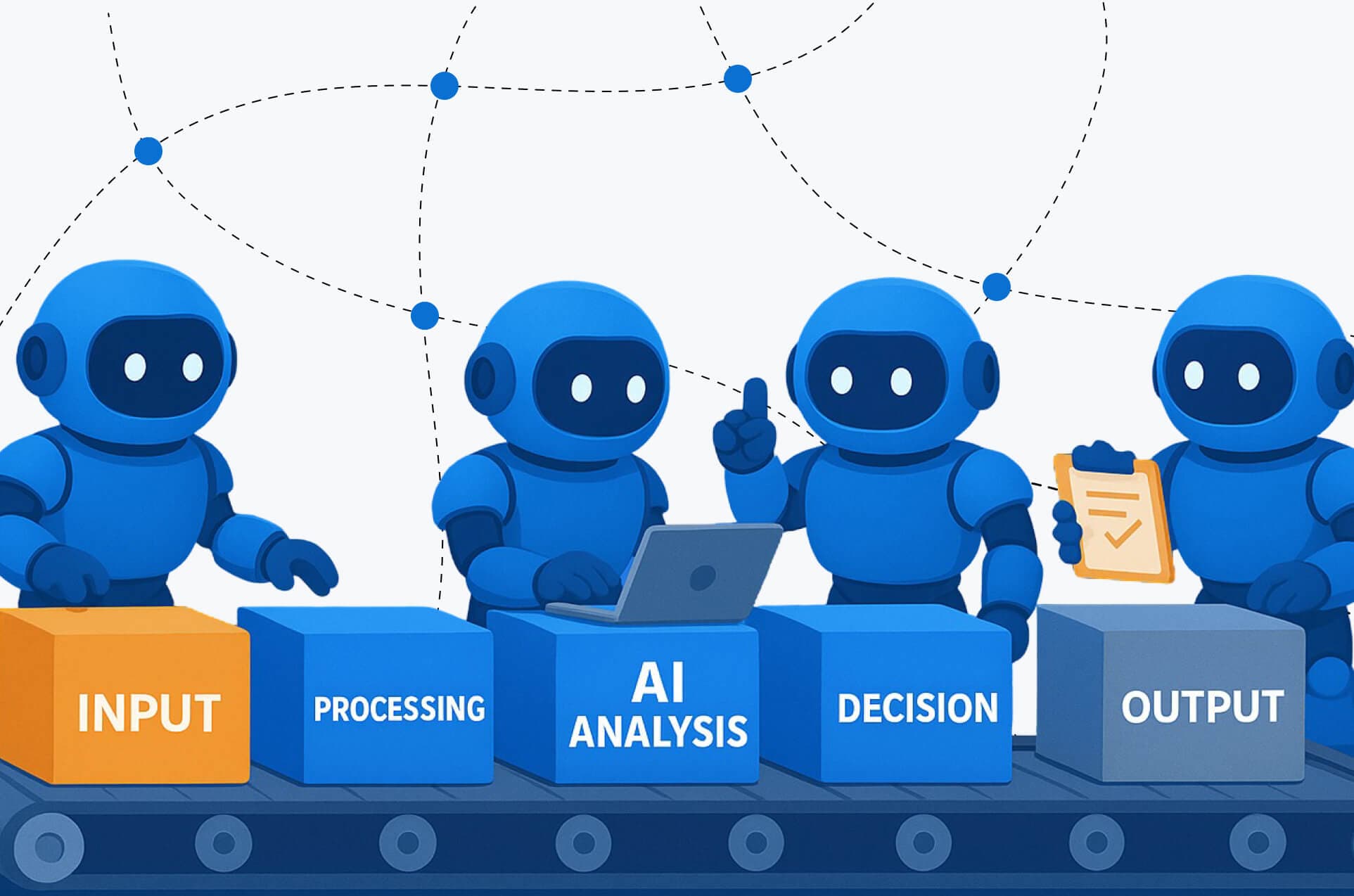
Nulla changes this workflow by using AI to automate the first pass of embodied carbon assessment.
Instead of a consultant manually mapping every line item from scratch, Nulla can read project documents, interpret descriptions, identify materials, apply relevant carbon factors, perform unit conversions, generate assumptions, and produce initial results.
But the point is not to remove the consultant.
The point is to move the consultant to the right part of the workflow.
In this new model, the consultant is no longer spending most of their time doing repetitive mapping and calculation tasks. Instead, they are reviewing the AI’s work: checking assumptions, validating material mappings, challenging uncertain items, adjusting project-specific scenarios, and interpreting the results in the context of design, procurement and delivery.
The role shifts from:
“I need to build the carbon model manually.”
to:
“I need to review, validate and improve the carbon model so the project team can make better decisions.”
That is a much more valuable use of human expertise.
From calculation to judgement
The future carbon consultant will not be defined by their ability to manually process large spreadsheets. They will be defined by their ability to apply judgement.
That judgement includes knowing when a material mapping is appropriate, when an emission factor is too generic, when an EPD is comparable, when a quantity looks unreasonable, when a design option is genuinely lower carbon, and when a reported reduction is misleading.
AI can accelerate the workflow, but it still needs expert review.
This is especially important in embodied carbon because the quality of an assessment depends on context. A concrete mix, steel product, façade system or timber element cannot be judged by carbon factor alone. The consultant must understand design intent, specification constraints, procurement pathways, construction methods, data quality, and reporting requirements.
In other words, AI can help produce the assessment, but humans must still own the accountability.
The consultant becomes less of a calculator and more of a technical reviewer, carbon strategist and quality gatekeeper.
What this means for the built environment
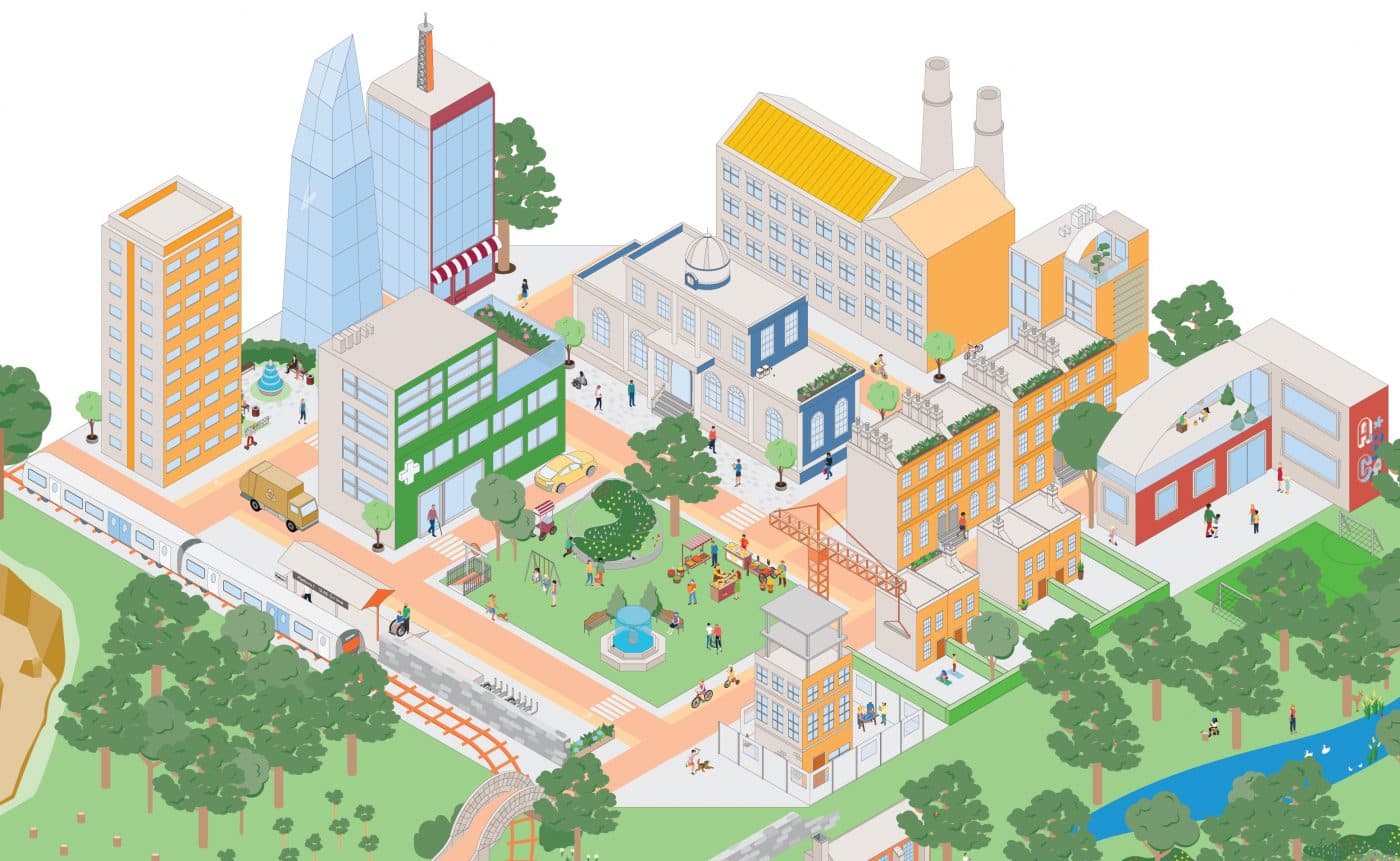
For the built environment, this shift has major implications.
The first is speed. If AI can complete the first pass of an embodied carbon assessment in minutes rather than days or weeks, carbon analysis can happen earlier and more often. This allows project teams to test options while decisions are still flexible.
The second is scale. Today, many projects do not receive proper embodied carbon assessment because there are not enough specialists, the process is too slow, or the cost is too high. AI makes it possible to assess more projects, more design stages, and more procurement scenarios without increasing consultant workload at the same rate.
The third is consistency. A well-designed AI workflow can apply consistent calculation logic, data mapping rules, life-cycle boundaries and reporting structures across multiple projects. This reduces the variability that often occurs when every assessment is built manually from scratch.
The fourth is transparency. The value of AI is not just automation. It is the ability to show the reasoning behind the result: what was mapped, what was assumed, what was excluded, which emission factor was used, and where human review is required.
This is critical. The industry does not need black-box carbon numbers. It needs explainable workflows that make review easier, not harder.
The consultant’s role becomes more strategic
As AI takes on more of the repetitive work, carbon consultants will move closer to the strategic centre of the project.
Instead of being brought in at the end to prepare a compliance report, they can be involved throughout the design and procurement process.
They can help project teams answer better questions:
Which design option has the lowest upfront carbon?
Which material categories are driving the result?
Where are the biggest reduction opportunities?
Which EPDs are credible and comparable?
What is the carbon impact of changing suppliers?
How do we balance cost, performance, availability and carbon?
What needs to be documented for NABERS, Green Star or client reporting?
This is where the consultant’s expertise becomes far more valuable.
AI can generate results. But consultants help teams understand what the results mean and what to do next.
AI will not replace carbon consultants. It will replace parts of the old workflow.
There is a common fear that AI will replace professionals. In embodied carbon, a more realistic view is that AI will replace parts of the workflow that should not have remained manual for so long.
Manual data cleaning, first-pass mapping, repetitive unit conversion, report formatting and scenario recalculation are not where the highest value of a carbon consultant sits.
The highest value sits in technical review, design advice, procurement strategy, standards interpretation, reduction planning, and communication with project teams.
AI does not remove the need for these skills. It increases the importance of them.
As more organisations use AI to generate carbon outputs, the industry will need skilled professionals who can review those outputs critically. The ability to challenge AI-generated assessments will become a core capability.
The consultant of the future will need to know not only carbon accounting, but also how to work with AI: how to interrogate results, test assumptions, identify data gaps, and decide when automation is reliable and when expert intervention is required.
How the industry should approach embodied carbon in the AI era
As AI becomes embedded in design, assessment, procurement and reporting workflows, the industry needs to adopt a balanced approach.
First, AI-generated carbon results must be reviewable. Every material mapping, assumption, emission factor and exclusion should be traceable. If a consultant cannot understand how the result was produced, they cannot responsibly sign off on it.
Second, AI should support standards, not bypass them. Workflows still need to align with recognised methodologies, life-cycle boundaries and reporting requirements. Automation should make compliance easier and more consistent, not less rigorous.
Third, human review should be built into the process. The future is not fully automated carbon reporting. It is AI-assisted assessment with expert oversight. This distinction matters because embodied carbon results influence design, procurement, claims, certification and investment decisions.
Fourth, data quality must remain central. AI is only as useful as the data it can access and the logic it applies. High-quality EPDs, robust generic datasets, transparent assumptions and consistent classification systems will become even more important.
Finally, organisations need to rethink capability building. The next generation of carbon consultants, sustainability advisors, quantity surveyors, engineers and designers will need to understand both embodied carbon and AI-enabled workflows. Knowing how to review AI output will become as important as knowing how to create a spreadsheet model from scratch.
Nulla’s role in this transition
Nulla is designed around this shift.
It does not aim to remove professional judgement from embodied carbon assessment. It aims to remove unnecessary friction so that professional judgement can be applied earlier, faster and more effectively.
By automating the first pass of assessment, Nulla allows consultants and project teams to focus on reviewing assumptions, improving data quality, testing reduction pathways, and making decisions that materially reduce emissions.
The future of embodied carbon is not simply about producing more reports.
It is about embedding carbon intelligence into the way the built environment designs, specifies, procures and delivers projects.
That requires a new role for consultants.
Less time doing repetitive assessment work.
More time reviewing, advising and shaping better outcomes.
In the AI era, the best carbon consultants will not be replaced by technology. They will be amplified by it.